Contractor Lifecycle: Selection, Supervision, Close-Out Picture This

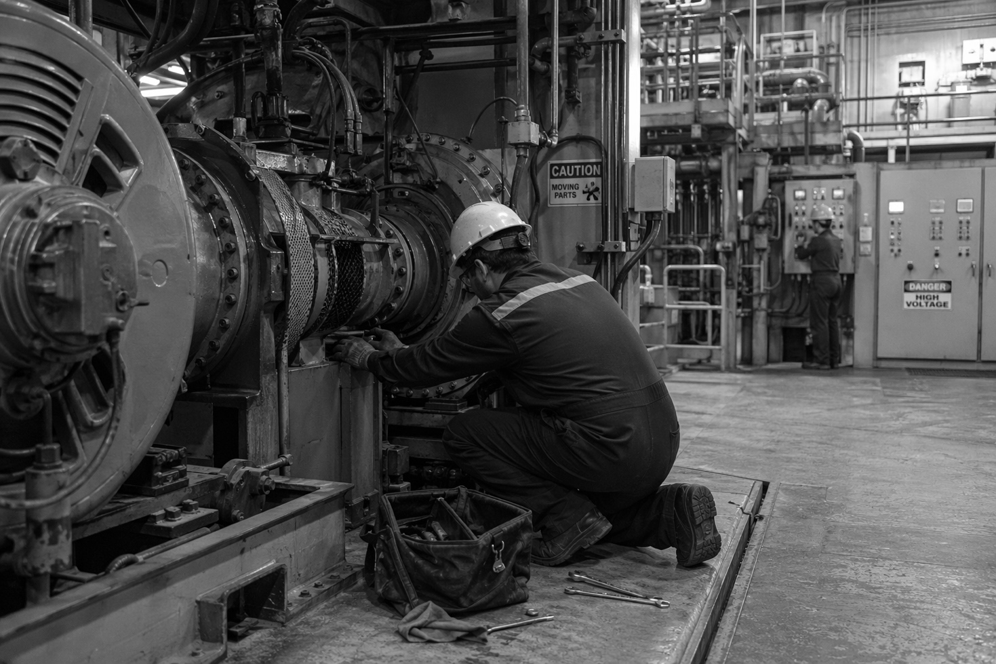
This image shows a contractor working inside an active industrial facility, focused on completing a maintenance task on a large piece of equipment. The area appears controlled, but subtle warning signs are being missed. The contractor is positioned close to moving components, with tools already in place, assuming the system has been fully isolated. There are no visible lockout/tagout devices applied, and no supervisor or host employer representative is present to verify the setup. Nearby, control panels remain energized, and other operations continue as normal. Everything looks routine—but the system is not fully under control.
In contractor work, danger often comes from what wasn’t communicated, not just what was done wrong. One missing piece of information, one assumption that “it’s safe,” and one unchecked energy source can turn a routine task into a fatal event. Contractors rely on clear guidance, proper supervision, and verified controls—but when those systems break down, they are left exposed. Always confirm isolation, verify procedures, and ensure responsibilities are clearly defined before work begins. In multi-employer environments, safety doesn’t happen by default—it must be actively managed at every step.