Heat in the Field: Recognizing & Preventing Heat Stress in Outdoor Work Picture This

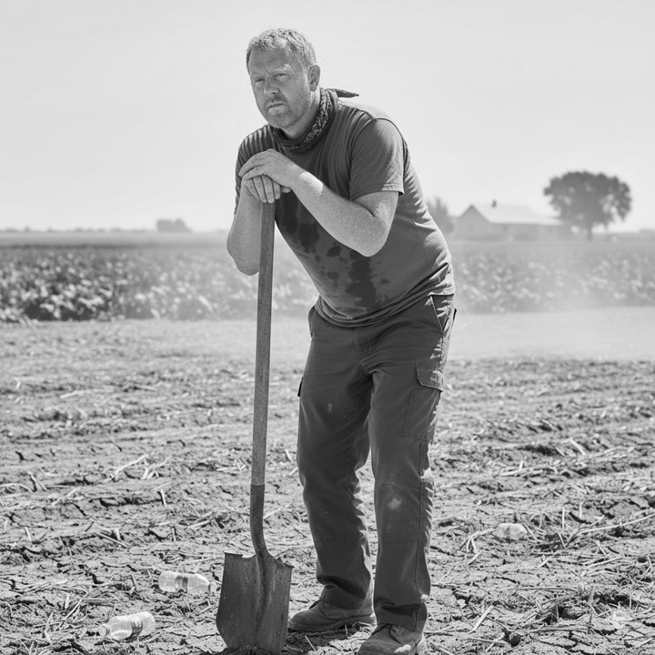
In the image, the worker is standing in direct sun with a flushed, overheated face and sweat-soaked clothing—clear signs of advanced heat stress. He’s leaning heavily on a shovel, showing fatigue and possible dizziness, yet continues working with no shade or cooling break. Multiple empty water bottles on the ground suggest he may not be hydrating consistently. This situation shows poor heat-exposure management and places him at high risk of heat exhaustion or heatstroke.
Workers should follow a heat-illness prevention plan that includes scheduled hydration, shaded rest breaks, and monitoring for early symptoms like confusion, fatigue, and flushed skin. Supervisors must rotate tasks to limit sun exposure and ensure workers are not pushing through dangerous levels of heat. Lightweight, breathable clothing and cooling cloths can also help regulate body temperature. Proactive prevention is essential to keep field workers safe during extreme heat conditions.