Just Culture vs Blame Culture: How We Learn & Improve Picture This

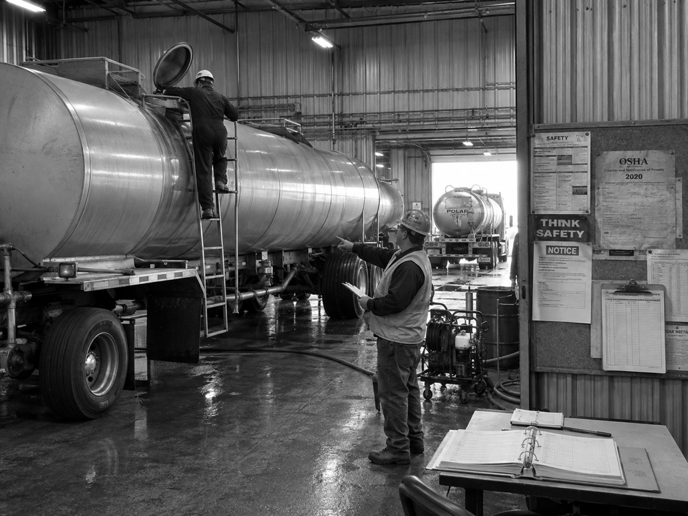
This image shows the interior operations area of an industrial tank cleaning facility. A worker in coveralls is preparing to enter a large tanker through a top hatch for routine cleaning — no atmospheric monitor visible anywhere near the entry point, no gas detector clipped to his belt, no permit posted at the hatch. A supervisor nearby is signing off on a clipboard and pointing the worker toward the tank. On a bulletin board in the background, a laminated OSHA citation notice from 2020 is pinned to the wall — faded, partially obscured by newer postings, its corrective action items unchecked. A safety log on a nearby desk shows the tank has been entered and cleaned dozens of times since the citation was issued. Nothing has changed.
Tanks that have held hazardous materials can contain oxygen-deficient atmospheres, toxic gases, or flammable vapors that are completely invisible and odorless — a worker who enters without testing the air has no way to know the danger until they lose consciousness, often within seconds. Every confined space entry requires atmospheric testing for oxygen levels, combustible gases, and toxic substances before anyone steps inside, a rescue plan and trained attendant stationed outside, a valid entry permit signed and posted at the hatch, and workers equipped with the correct respiratory protection for the specific hazard present. These controls are not optional and they are not new — they are documented requirements that existed before any of these three workers died. When an organization receives a citation, fixes nothing, and sends the next worker in the same way, the citation becomes evidence of a known hazard and a deliberate choice not to address it.