Near-Miss to Case Study: Learning from Close Calls Before They Cost Picture This

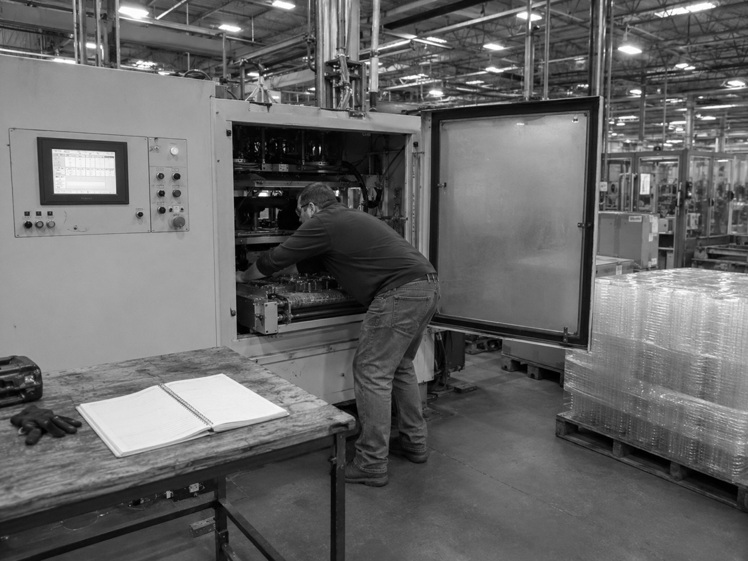
This image shows a manufacturing floor where a production manager is leaning into an open thermoforming machine to clear a plastic jam by hand. The machine’s enclosure door is open but no lockout device is applied — the machine remains energized. A warning light on the control panel is visible but unattended. Two days earlier, a coworker had his hand pulled toward the same conveyor and pulled back in time. That morning, another worker had the same close call on the same machine. Both incidents were mentioned in passing and then forgotten. No work order was written. No repair was made. No procedure was updated. The machine is still running the same shift.
Two near-misses on the same machine in the same week. Both survivable. Both ignored. The hazard that almost injured two workers was the same hazard that killed the third. A near-miss is not a sign that the safety system worked — it is a sign that the system is about to fail. Every close call on a piece of equipment, a walkway, or a work procedure is a timed warning. The clock does not reset just because no one got hurt. Report every near-miss. Investigate every one. Fix the root cause before the next worker steps into the same position and runs out of luck.