Safety Leadership: Front-Line Supervisors Setting the Tone Picture This

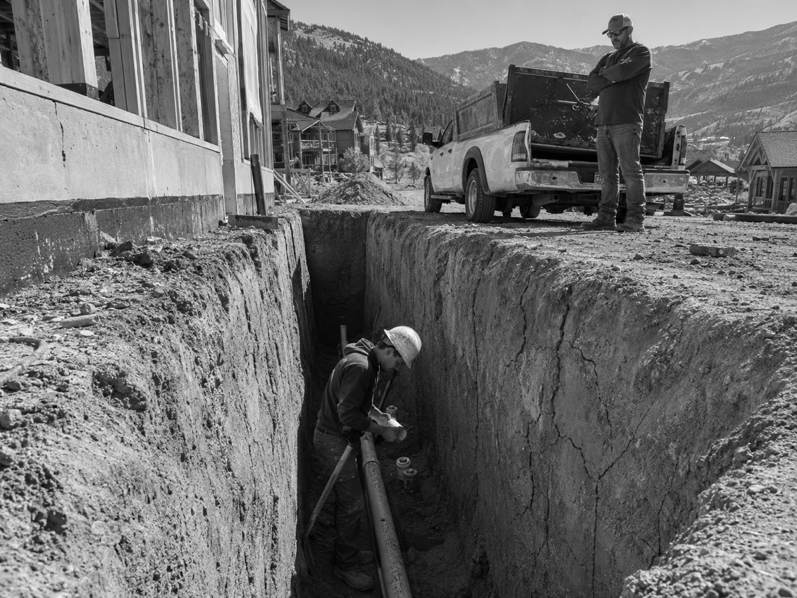
This image shows an active residential construction site in a mountain town on a clear morning. A narrow trench approximately eight feet deep has been excavated along the side of a home for a sewer line installation. A 23-year-old worker is down in the trench, working with pipe fittings at the bottom. The trench walls are unshored and unprotected — no trench box, no sloping, no shielding of any kind. The soil along one wall shows visible cracks and stress lines from a prior near-collapse. On the surface above, the company owner stands near his truck, watching the work progress. He knows this trench has caved in before. He has not stopped the job. He has not called for protective equipment. He waves at the worker below to keep moving.
A trench is one of the most unforgiving environments in any industry — when the walls give way, they give way in seconds, with a force and weight that makes self-rescue impossible. A worker at the bottom of an unprotected excavation has no warning and no way out. The supervisor above ground is the only person who can change that — and when that person has the authority, the knowledge, and the legal obligation to act, and chooses not to, the decision becomes a life-or-death one for the worker below. Safety leadership is not a document or a program. It is the decision a supervisor makes in the moment — to stop the job, to demand the right equipment, and to refuse to place workers in conditions they cannot survive. A 23-year-old worker paid for that decision with his life.