Worker Wellness & Safety: How Health-Behaviours Affect Incident Risk Picture This

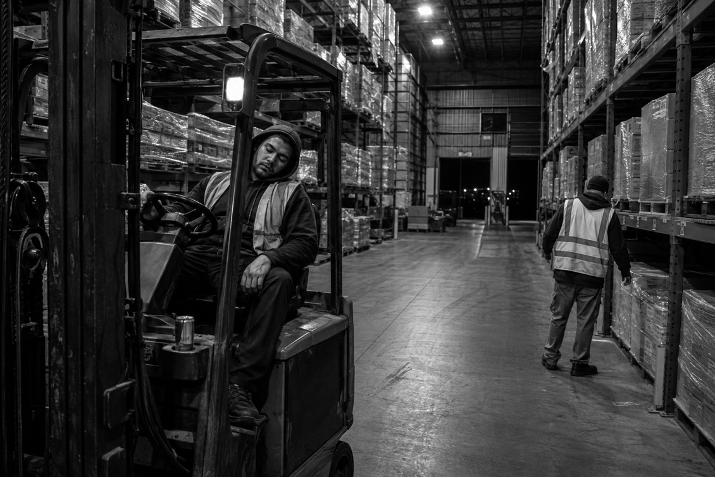
This image shows a night shift at a large distribution warehouse. A forklift operator is navigating a busy aisle between towering pallet racks, loaded with heavy inventory on all sides. It is 3:00 AM — six hours into a 12-hour shift. The operator’s eyes are visibly heavy. He has been awake for nearly 20 hours after picking up an extra shift to cover a colleague. A half-empty energy drink sits in the cup holder beside him. On the other side of the rack, a pedestrian worker is about to cross into the forklift’s travel lane — unaware of the approaching vehicle, and the operator too fatigued to notice in time.
Fatigue and impairment do not look like a missing guardrail or a damaged scaffold — they arrive quietly, shift by shift, and leave no visible mark on the environment that a safety inspection would catch. A worker running on four hours of sleep, managing an unaddressed health condition, or carrying the residual effects of a substance into the next shift is operating at a fraction of the cognitive and physical capacity that safe work demands — and no one around them may know it until something goes wrong. Employers must treat fatigue risk as a workplace hazard by setting limits on consecutive hours, monitoring extended shifts, and creating an environment where workers can honestly report when they are not fit for duty. A workforce that is healthy, rested, and supported is not a wellness initiative — it is a safety system.