Working Alone: Isolation, Emergency Response and Check-In Systems Picture This

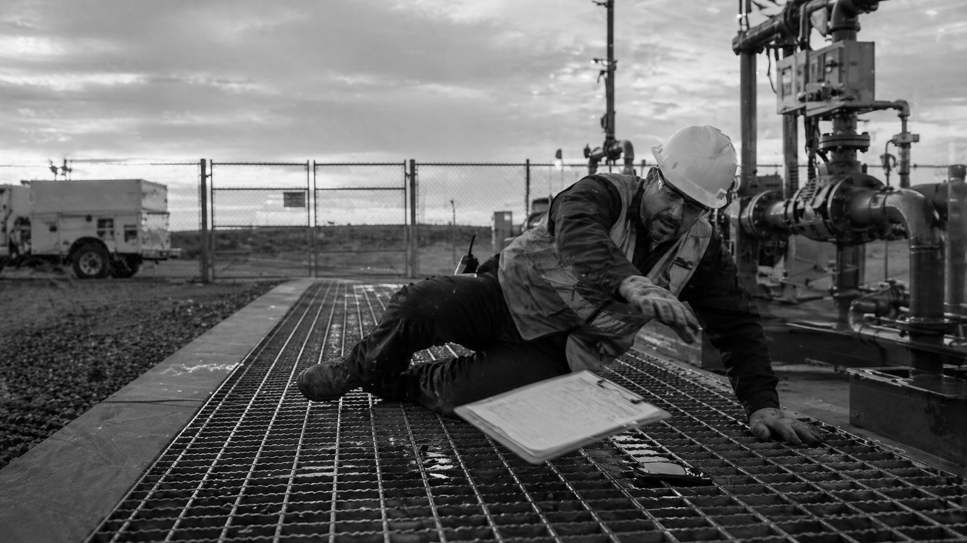
This image shows a service technician walking across a remote pump station at the end of the day. The gate is closed behind them, the parking lot is empty, and the only sound is the hum of the equipment. They have done this check a hundred times — gauges, valves, a glance in the panel. Their phone shows one bar. The truck radio is too far away. The check-in window with dispatch closed an hour ago, but the system only flags missed check-ins the next morning. The technician steps onto a stretch of grating slick with hydraulic fluid and goes down hard, head striking the rail. There is no coworker to call out. There is no spotter. There is no one within shouting distance of the access road.
Lone work does not announce itself. The grating does not warn you it is slick, the phone does not call back when the signal drops, and the site does not stop being dangerous just because the task is routine. One worker on a quiet site, one missed check-in, one second of inattention — and a routine inspection becomes a fatality investigation. Establish a check-in schedule with verified two-way confirmation. Carry a working communication device with backup power. Brief dispatch on your route, ETA, and last task before you go silent. Treat every solo task as if no one knows where you are — because for a few critical minutes, no one will. The empty site does not forgive complacency.