6 Steps to Prepare a Bloodborne Pathogens Exposure Determination
Nearly any workers could encounter bloodborne pathogens – whether bandaging a co-worker’s cut, stepping on a used hypodermic needle in the alley or helping an accident victim on the way home. This special report is a guide for identifying and managing workplace hazards with OSHA compliance guidelines for full compliance.

What are Bloodborne Pathogens?
Bloodborne pathogens are harmful microorganisms found in human blood and certain body fluids that can cause diseases in humans. In the workplace, these pathogens are a concern because they can be spread through injuries or accidents that involve blood or certain body fluids. The most common bloodborne pathogens include the Human Immunodeficiency Virus (HIV), Hepatitis B (HBV), and Hepatitis C (HCV), which can lead to serious illnesses.
Discover bloodborne pathogens hazards and safety compliance from Steven St. Laurent, an OSHA certified expert. The Bloodborne Pathogens and How to Protect Yourself webinar will cover:
- Bloodborne pathogen transmission types;
- Who is covered by OSHA bloodborne pathogen standards;
- Do these standards apply to first aid?
Workers in healthcare settings, emergency services, and other jobs where there is a potential for exposure to blood or body fluids are at higher risk. To protect employees, workplaces follow strict safety guidelines and procedures, such as using personal protective equipment (PPE), proper disposal of sharps and contaminated materials, and offering training on how to handle potential exposures. Vaccinations, like the one for Hepatitis B, are also offered to workers at risk.
Using PPE for Protection from Bloodborne Pathogens
One way the employer can protect workers against exposure to bloodborne pathogens, such as hepatitis B virus (HBV), hepatitis C virus (HCV), and human immunodeficiency virus (HIV), the virus that causes AIDS, is by providing and ensuring they use personal protective equipment, or PPE. Wearing appropriate PPE can significantly reduce risk to BBPs, since it acts as a barrier against exposure. Employers are required to provide, clean, repair, and replace this equipment as needed, and at no cost to workers.
OSHA Training Requirements
The Occupational Safety and Health Administration (OSHA) has established specific training requirements to protect workers from the risks associated with bloodborne pathogens, as outlined in the OSHA Bloodborne Pathogens Standard (29 CFR 1910.1030). Bloodborne pathogens are infectious microorganisms in human blood that can cause diseases in humans These pathogens pose a significant health risk in workplaces.
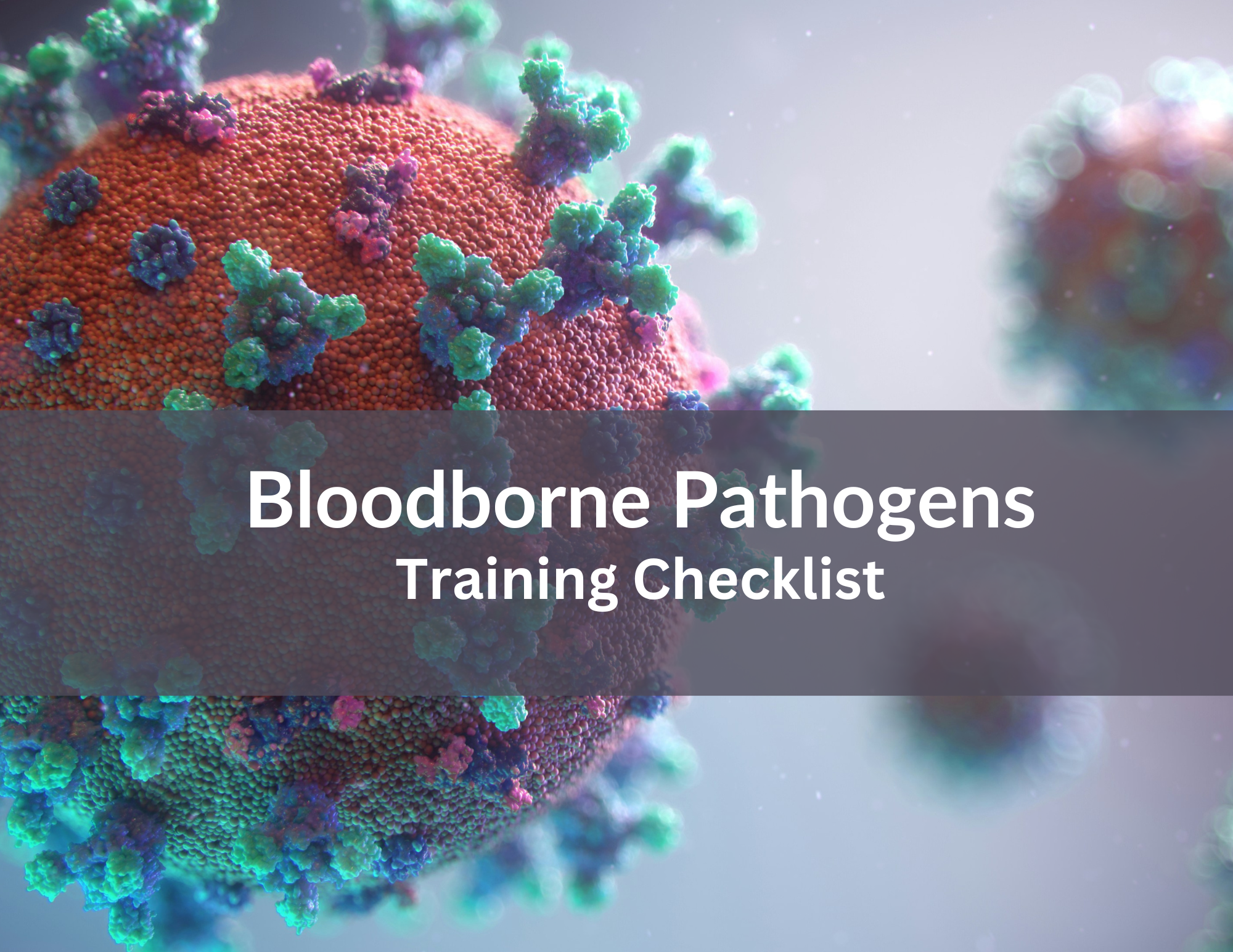
Get an overview of all of the OSHA requirements by reviewing the Bloodborne Pathogens OSHA Training checklist. Get a full guide that ensure you are compliant with the updated OSHA rules on BBPs.